
The CTMR was Renewed!
We are thrilled to share that the CTMR was RENEWED! Here’s to another 5 years of supporting muscle research translational muscle research!
We are thrilled to share that the CTMR was RENEWED! Here’s to another 5 years of supporting muscle research translational muscle research!
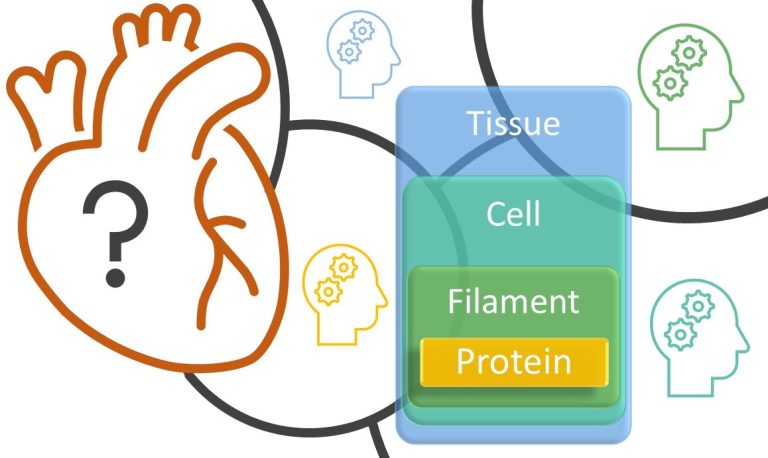
CTMR Investigators, Mike Regnier and David Mack, were part of a multi-institutional research effort to uncover the disease mechanism for hypertrophic cardiomyopathy caused by a mutation in myosin (MYH7 G256E). The project was a collaborative effort between investigators at UW, Stanford University, University of California Santa Barbara, the Curie Institute in Paris, and the Allen Institute for Cell…

Congratulations to CTMR investigator Dr. Valerie Daggett for being awarded the UW 2023 University Faculty Lecture award! Dr. Daggett will present her work at the 47th annual University Faculty Lecture. Valerie Daggett, PhD David and Nancy Auth Endowed Professor in the Department of Bioengineering Talk Title: Revolutionary: The Quest to Detect and Cure Alzheimer’s Monday,…

Congratulations to Aditi Prabhala for being selected as a 2024 Husky 100 member! The Husky 100 list recognizes undergraduate and graduate students who make the most of their time at UW. Aditi Prabhala is an undergraduate student in the Regnier Heart and Muscle Mechanics (HAMM) Lab mentored by PhD student, Kerry Kao. In addition to her…
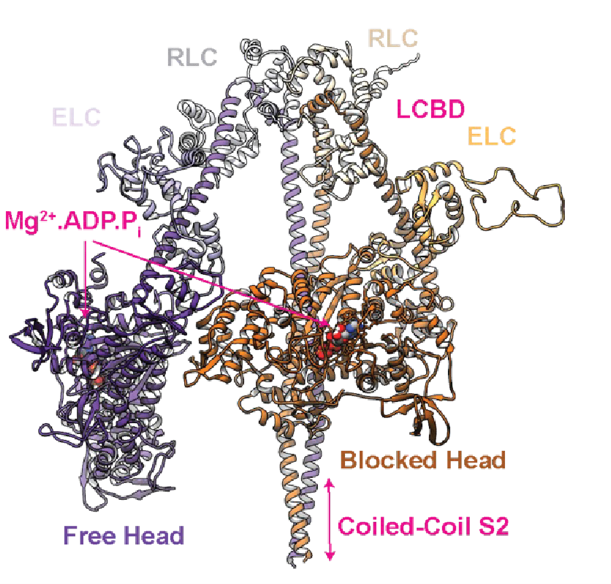
Two new grants will accelerate atomic-scale research into the molecular mechanisms of cardiomyopathies. In Autumn 2024, CTMR investigator Matthew Childers was awarded a competitive K99/R00 Pathway to Independence Award from the National Heart, Lung, and Blood Institute of the NIH. Childers’ project combines computational simulations of muscle proteins with stem-cell derived cardiomyocytes to create a…

The remarkable research of CTMR faculty was recently featured on the UW College of Engineering homepage! Read the full story here: Engineering heart health. Congratulations to the Sniadecki, Davis, and Regnier research groups!
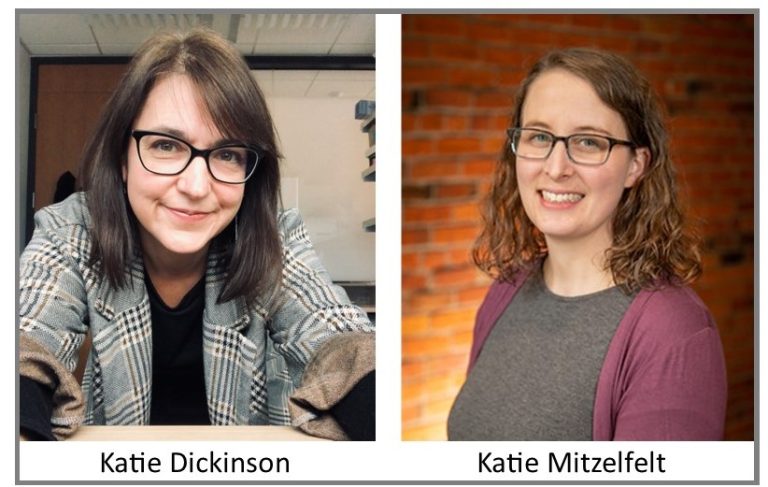
The CTMR’s Program Manager, Katie Dickinson, is transitioning to support other programs at UW. We will miss Katie in the CTMR. A big thank you to her for skillfully supporting the CTMR over the past year. We wish her all the best in her future endeavors! We are excited to introduce our new Program Manager…